Indigenous Stewardship and Carbon Markets: Climate Protection in San Miguel Chimalapa
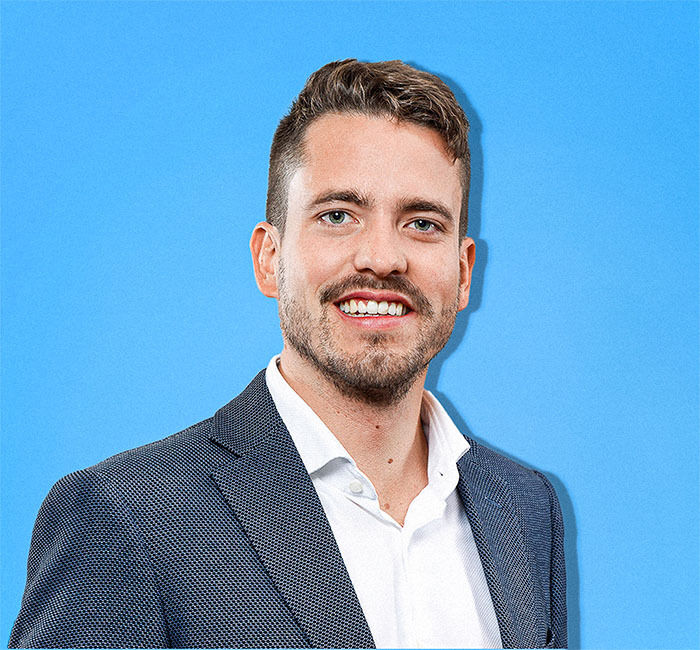
Gonzalo Martínez Mayer, co-founder of Carbon Plus, works at the intersection of climate finance and community-based conservation. His work focuses on creating high-integrity carbon projects that empower local stakeholders – especially Indigenous communities – while delivering measurable climate impact. The conversation gives valuable insights into the interfacen carbon markets and the stewardship of indigenous communities and illustrates the symbiosis with the example of the improved forestation management-project with the indigenous community of San Miguel Chimalapa.
How did the collaboration with the Indigenous community of San Miguel Chimalapa originally come about?
The collaboration with the Indigenous Community of San Miguel Chimalapa began in late 2022, when Carbon Plus was introduced to the Community Property Authorities (Bienes Comunales) by a group of forestry engineers who had been working with the community for more than a decade. These engineers, who today form part of Carbon Plus’ strategic local partner GADES, had developed a strong relationship of trust with the communal authorities through years of technical and forestry work in the territory and were closely familiar with the community’s forest management efforts and priorities. Following these introductions, Carbon Plus held a series of meetings with the communal authorities to explore whether a forest carbon project could complement the community’s existing forest management and conservation objectives. These discussions continued into 2023 and ultimately led to the project being formally authorized by the General Assembly in July 2023, establishing the partnership between the Indigenous Community of San Miguel Chimalapa, Carbon Plus and GADES.
How are decisions within the project made, and what role do traditional governance structures (e.g. community assemblies) play?
Decisions related to the project are made through the Indigenous Community of San Miguel Chimalapa’s established governance structures, with the General Assembly serving as the highest decision-making authority. Key project decisions (including project authorization, permanence commitments, legal agreements, benefit-sharing arrangements, and other strategic matters) must be reviewed and approved by the Assembly in accordance with the community’s customary governance processes (usos y costumbres). Day-to-day coordination is carried out by the Community Property Authorities (Comisariado y Consejo de Vigilancia de Bienes Comunales), the Project Coordinator appointed by the community, and other relevant community bodies. However, major decisions remain subject to Assembly approval. The project has also supported the creation of participatory governance mechanisms, including the Sustainable Territorial Management Program (STMP) Committee and the Community Delegates Assembly, which help oversee implementation, monitor outcomes, and facilitate communication between Carbon Plus, community authorities, and the broader population. These structures complement, but do not replace, the authority of the General Assembly, which remains the central forum through which collective decisions are made.
In what ways does this project differ from more “externally-driven” climate projects in terms of governance?
This project differs from many externally driven climate projects because it is not based on a top down approach. While Carbon Plus contributed the technical expertise, financing, and access to international carbon markets needed to develop and implement the project, key decisions have been shaped through the community’s own governance processes and structures, such as the General Assembly of Comuneros. The project also introduced new tools and mechanisms, such as the Sustainable Territorial Management Program (STMP) and its Committee, composed of members from both the community and Carbon Plus, to help channel carbon revenues toward community defined environmental, social, productive, and governance priorities. As a result, the project is structured as a true partnership in which external resources and expertise support locally defined objectives, rather than imposing them.
How is traditional knowledge of the Zoque community integrated into forest management and project design?
Traditional knowledge of the Zoque community is an important component of forest management and project implementation. Community members possess extensive knowledge of local species, ecosystems, and the territory, developed through generations of stewardship. This knowledge supports activities such as forest monitoring, fire management, restoration, and conservation. Community members also form the project’s forest brigades, contributing their deep understanding of the landscape and local ecological conditions.
Can you share specific examples where local knowledge has led to improved ecological outcomes?
Examples of how local knowledge has contributed to ecological outcomes include:
- The creation of the first forest species identification manual for the territory, documenting knowledge held by local forest workers and technicians regarding native tree species and their characteristics.
- The identification of areas that have historically been more prone to wildfires, helping guide the placement of firebreaks and other fire prevention activities.
- The identification and delineation of core conservation areas and sustainable forest management zones based on the community’s long-term knowledge of local ecosystems, biodiversity values, and forest conditions.
What unexpected challenges did you encounter when working with the Indigenous community, and how did you address them?
Two of the main challenges are:
- Engaging a large and geographically dispersed population across numerous congregations. Ensuring that community members have access to consistent and accurate information about the project requires significant time, coordination, and ongoing communication. To address this, Carbon Plus and local partners conduct socialization, information, and project update workshops across the different congregations, typically over periods of three to six months depending on the topic being discussed.
- Conducting carbon inventories across such a large territory. The scale of the project requires extensive planning, logistics, and coordination, as well as the participation of a large number of trained field personnel. This is addressed through close collaboration between Carbon Plus, GADES, and community members, whose knowledge of the territory helps improve field efficiency, access, safety, and data collection.
How do you see the partnership with the community evolving over the coming years?
Beyond the implementation of the IFM carbon project activities, we see significant potential in jointly implementing the Sustainable Territorial Management Plan (STMP). Our priority is to demonstrate tangible results and build trust through successful project delivery, creating the foundation for a longer-term partnership based on performance and mutual confidence. We also see opportunities to generate additional value by strengthening the community forestry enterprise, including improvements to sawmill operations, FSC certification, value-added forest products, and other initiatives that enhance both economic and environmental outcomes.
What role do Indigenous communities play in the future of the voluntary carbon market?
Indigenous communities will play a central role in the future of the voluntary carbon market. In Mexico, Indigenous and local communities own or manage approximately 70% of the country’s forests and nearly half of the national territory, making them indispensable partners in large-scale nature-based climate solutions. Their long-standing knowledge, governance systems, and stewardship practices are critical to maintaining healthy ecosystems and delivering durable climate outcomes. As the market matures, their voice will be essential in shaping projects that combine high environmental integrity with social justice, ensuring that climate finance supports both forest conservation and community well-being.